

PUBLIC NOTICE:
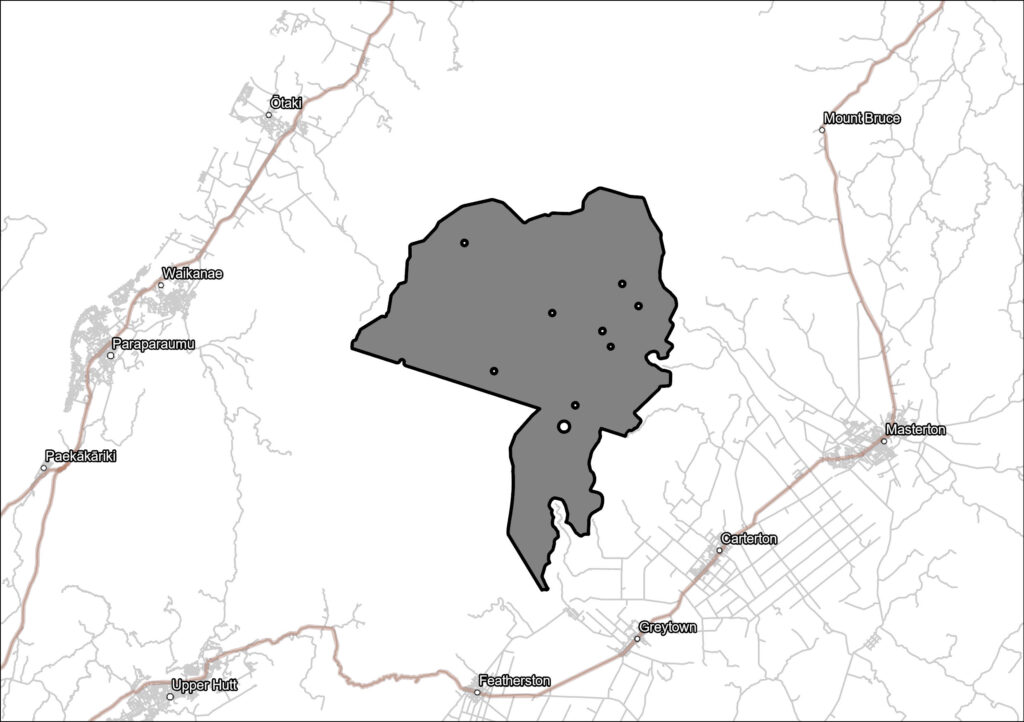
The Department of Conservation (DOC) is going to control rats, possums and stoats over approx. 31,333 ha. This is scheduled for the first clear weather window from late April 2026.
Native wildlife and forests need protection
Native species are fighting for survival due to predation from rats, stoats and possums.
Without protection, we risk losing the unique natural heritage and biodiversity within the Project Kaka treatment area.
Predator control operations are done when monitoring shows predators have reached levels that threaten the populations of native species.
The Tararua range is home to the iconic kākā, korimako, kākāriki, titipounamu, bats/pekapeka and other native birds. The native tree fuchsia is also present.
DOC has controlled possums, rats, stoats and goats in the area to protect native fauna and flora against browsing and predation every three years since 2011 and prior to that at six-to-seven-year intervals.
Our plan to protect native species
Through sustained predator control using 1080, there is a big increase in breeding success for native birds, their food source is more abundant, and the forest canopy is healthier.
The safest and most effective method we have to control possums, rats and stoats over large areas is to use biodegradable cereal bait pellets containing 1080. This bait targets rodents and possums. Stoats are also controlled through secondary poisoning as they feed on the carcasses of the dead rodents.
Helicopters distribute bait pellets across the forest area along pre-determined and monitored flight paths using technology that enables accurate placement. This is the only viable method to control predators in Project Kaka, Tararua Range, due to the vast and rugged terrain.
This operation begins with the distribution of non-toxic pre-feed bait pellets (sandy coloured).
This prepares possums and rodents to eat the toxic bait (dyed green) that is applied afterwards. Both baits are about 16 mm in diameter and cylindrical shaped.
Consultation and permissions
DOC has consulted with hapū, iwi and key stakeholders including landowners adjacent to the
treatment area.
DOC is delegated authority by the Environmental Protection Agency to decide applications for permission to use 1080 on land administered or managed by DOC. Permission has been granted for this operation. DOC has also received the required permission from the Ministry of Health. DOC ensures that all legal and policy requirements are met, and that any potential risks of the operation are managed.
Managing risk
1080 is poisonous to humans, domestic and game animals. In areas where the toxin has been applied, dogs are highly at risk until poisoned carcasses have disintegrated. This takes four-to-eight months or longer.
There will be warning signs placed at entrances to the treatment area immediately prior to the operation.
Risks can be eliminated by following these rules:
DO NOT touch bait
WATCH children at all times
DO NOT EAT animals from this area or within the buffer zone outside the treatment
boundary. The buffer zone is 2 km for deer and pigs, 200 m for rabbits, and 1 km for hares,
tahr, wallabies and possums.
Poison baits or carcasses are DEADLY to DOGS
Observe these rules whenever you see warning signs about pesticides. These signs indicate pesticide residues may be still present in baits and poisoned carcasses. When signs are removed, normal activities can resume. If in doubt, check with your local DOC office. Please report suspected vandalism or unauthorised removal of signs.
If you suspect poisoning, please contact:
- Your local doctor or hospital OR The National Poisons Centre: 0800 764 766 (urgent
calls) or 03 479 7248 OR dial 111 - Seek veterinary advice for suspected poisoning of domestic animals.
For more information
Please contact: Project Kaka Operational Planner, Palmerston North DOC office, 0800 275
362, [email protected]
OR Aerial Operations Manager, EcoFX, 07 873 8130, [email protected]
Visit the DOC website: More information about DOC’s National Predator Control Programme
is available on our website www.doc.govt.nz/our-work/national-predator-control-programme. - Map of predator control area within Project Kaka
This map shows the area we are controlling rats, possums and stoats to protect native
species. You can also see operational updates and detailed maps of predator control on
public conservation land on the DOC website. www.doc.govt.nz/nature/pests-and-
threats/pesticide-summaries