

Kāpiti Coast District Council has awarded more than $93,000 in Waste Levy Grant funding to community groups and businesses delivering practical waste minimisation projects across the district.
Funded through the National Waste Levy rather than rates, the grants support local Kāpiti initiatives that reduce waste, divert materials from landfill, recover valuable resources, and encourage long-term behaviour change.
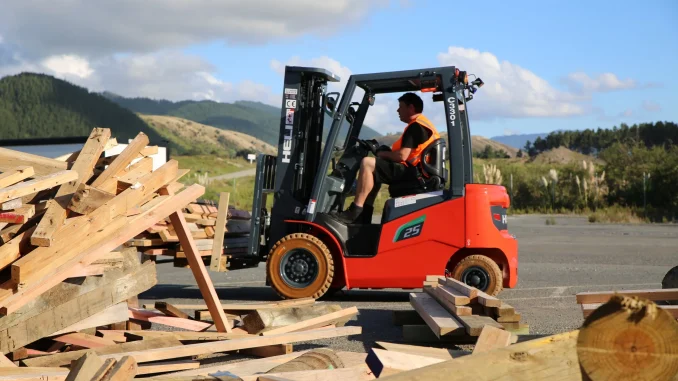
This year’s funding includes $61,365 for community projects and $32,403 for local business projects, supporting a range of initiatives focused on food rescue, timber reuse, construction waste reduction, and organic waste diversion.
Brendan Owens, Group Manager Customer and Community, said the grants support practical local solutions with lasting benefits.
“These projects show the practical action local organisations and businesses are taking to reduce waste, recover valuable resources and create lasting environmental benefits for our community.”
Richard Schouten, Advisor Waste Minimisation, said this year’s applications showed a strong focus on turning waste-reduction ideas into action.
“From rescuing food and repurposing timber to improving construction waste recovery and organics collection, these projects help keep useful materials in circulation and out of our landfill.
“We’re grateful to be supporting and working with a range of organisations to ensure we are making the biggest impact where it’s needed,” he said.
The Waste Levy Grants programme supports projects aligned with Council’s Waste Management and Minimisation Plan and wider regional goals to reduce waste and emissions.
“The grants are an investment in local innovation, community capability and practical solutions that help build a more resilient, low-waste future for Kāpiti,” said Mr Schouten.
The following organisations received Community Projects grants:
- Kāpiti Zero Waste – $3,860 to improve construction site waste separation and collection, helping recover materials such as timber and metal for reuse.
- Kāpiti Zero Waste – $14,992 for a BioChar project that will process H1.2 treated timber and pallets currently destined for landfill.
- Kaibosh Food Rescue – $40,513 to expand its Kāpiti Community Kitchen, increasing its ability to rescue, process and redistribute surplus food.
- Ōtaki Zero Waste – $2,000 to deliver advanced carpentry and timber upcycling workshops for women.
Two local businesses received part funding through the Local Business Less Waste category, with businesses required to fund a minimum of 25 percent of their project cost.
- McMillan & Lockwood – $12,403 to establish advanced waste separation, recovery, and reuse systems on a major construction project in Ōtaki, creating a model that can be replicated across future developments.
- Coastlands Shopping Centre – $20,000 to introduce food scraps separation and collection systems across its food court, supported by waste audits, staff training and education programmes.