

Kāpiti Mayor Janet Holborow has found a raft of views that align with hers on the shortsightedness of applying an arbitrary rates cap.
Mayor Holborow says rates capping risks short-changing communities.
“Local government is already under significant pressure to deliver infrastructure and services communities rely on, and we are deeply concerned that the Government’s proposed rates cap could make that job harder – not easier.
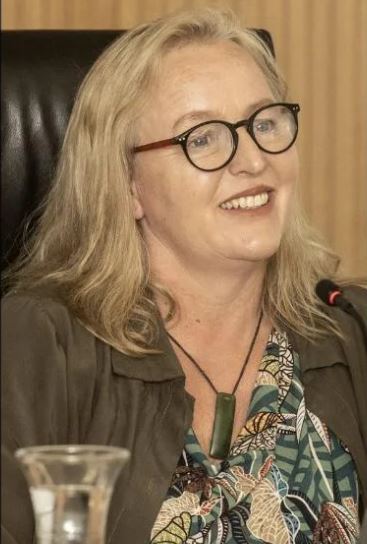
“A blunt cap risks forcing councils to delay essential maintenance, scale back services, or defer investment in the roads, community facilities and the growth infrastructure our communities need,” says Holborow.
She says Kāpiti is in a more fortunate position than some other councils, with sound finances, quality infrastructure, and good services but even well-run councils are facing rising costs and aging assets, growth pressures, and increasing community expectations.
Auckland Mayor Wayne Brown this week warned against a rates cap with the likelihood of it increasing costs to councils.
Brown says a cap could affect the city’s credit rating making it more expensive to pay for the interest used to fund planned projects.
“Auckland has maintained its strong credit rating through prudent financial management, and a credit rating downgrade could increase borrowing costs putting further pressures on rates, infrastructure investment and service levels.”
International ratings agency S&P Global says the Government’s plan to cap rates could increase borrowing costs for councils, which could ultimately cost ratepayers. This follows on from the Government’s own Regulatory Impact Statement (RIS) on the proposal.
Kāpiti’s mayor says a 2-4 percent rates cap will make it significantly more challenging to maintain current levels of service and pay for necessary upgrades and maintenance while also investing in the future.
“Council works hard to keep rate increases as low as possible while making responsible decisions about core infrastructure and how we invest in growth.
“We’ve already started conversations with our community about what we should prioritise, trade-offs, and who should pay for services and activities as we look to develop our next Long-term Plan.
“We know we can’t afford to do everything. Every budget decision affects people differently and a rates cap will make conversations about what Council can and can’t afford to do in the future even tougher,” says Mayor Holborow.
She is urging Government to take more time to fully understand the impacts of the rates caps on communities before moving ahead.
Holborow says not all councils have the same starting point and a one-size-fits-all rates cap could limit investment in critical infrastructure and undermine the services and facilities our communities need to thrive.
PSA national secretary Duane Leo said their organisation’s major concern was over the risk of credit downgrades affecting councils’ ability to borrow and driving up interest costs.
“As a result, we’ll not only see reduced public services but limited investment in critical maintenance. We’re already seeing in real time the consequences of not investing in water and roads – Wellingtonians can tell you all about it with the critical failure at Moa Point.”
How much with the 4% rates cap save ratepayers – the Minister for Local Government, Simon Watts, confirmed the average household savings sit at $34 per year (roughly 65 cents a week).
Greater Wellington regional council chairperson Daran Ponte says higher train and bus fares and fewer services are just some of the outcomes residents can expect if the Government’s rates cap legislation is passed next term.
Ponter says he supported disciplined financial management and greater transparency over council spending, however a rates cap would prioritise “an artificial short-term target over long-term value.”
Ponter says if passed into law, the bill could force difficult trade-offs between affordability today and higher costs tomorrow.