

The Wellington Region Civil Defence Emergency Management (CDEM) Group Plan 2026–2031 takes effect from today, setting a new direction for how the region prepares for, responds to, and recovers from emergencies.
The plan sets a clear challenge: the scale and complexity of natural hazards is increasing faster than the capacity of the current emergency management system.
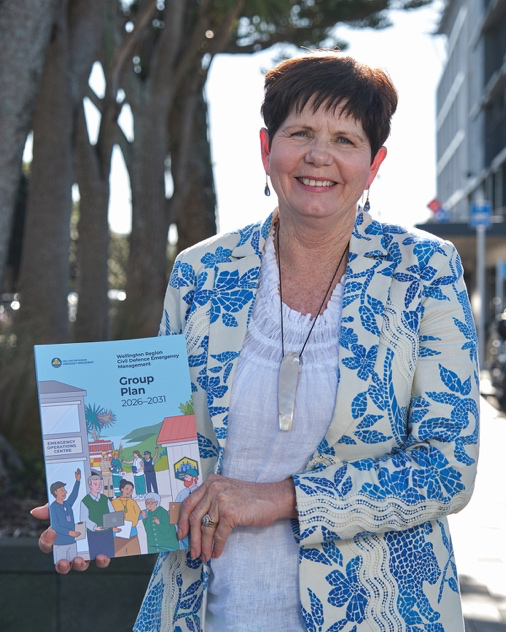
“Right now, we know the system can be stretched by large, sustained events,” Mayor Anita Baker, Chair, Wellington Region CDEM Group Joint Committee, says.
“Delays in decision-making, pressure on resources, and gaps in coordination can emerge when disruption lasts for weeks – increasing risk to communities.”
Shaping the plan
Developed with councils, emergency services, iwi, lifeline utilities, government agencies, and community organisations, the plan sets out how the region will work together to strengthen system performance and resilience.
A 2025 environmental scan confirmed the Wellington Region has one of the highest disaster risk profiles in New Zealand, with growing exposure to earthquakes, tsunami, and severe weather. While strong work is already underway, capability and capacity gaps remain in areas such as coordination, logistics, and community readiness.
“We asked ourselves a simple but confronting question – if a major event like Cyclone Gabrielle happened here tomorrow, could our system cope not just in the first 24 hours, but in the weeks that follow?” Mayor Baker, says.
A key feature of the plan is a shift to an all-of-society approach, recognising emergency management as a shared responsibility across agencies, communities, and individuals.
“We are moving from a system centred on agencies to one that enables communities to play a fully active role”.
The plan places a stronger emphasis on outcomes over activity, focusing on the difference emergency management makes for communities – including faster decision-making, reduced disruption, and more effective recovery.
“Emergencies don’t impact everyone the same way”.
“This plan recognises that and prioritises more equitable outcomes, ensuring those most affected are better supported.”
It outlines practical improvements to strengthen the system over time, including clearer roles and responsibilities, improved decision-making processes, stronger leadership and accountability, and more effective communication and collaboration – all designed to support sustained, long-duration responses.
Public consultation earlier this year helped shape the final plan, with input from residents, businesses, and community organisations across the region.
“Community insight is critical to ensuring our approach reflects real experiences and builds on the strengths already in our region. We want to thank everyone who contributed,” says Mayor Baker.
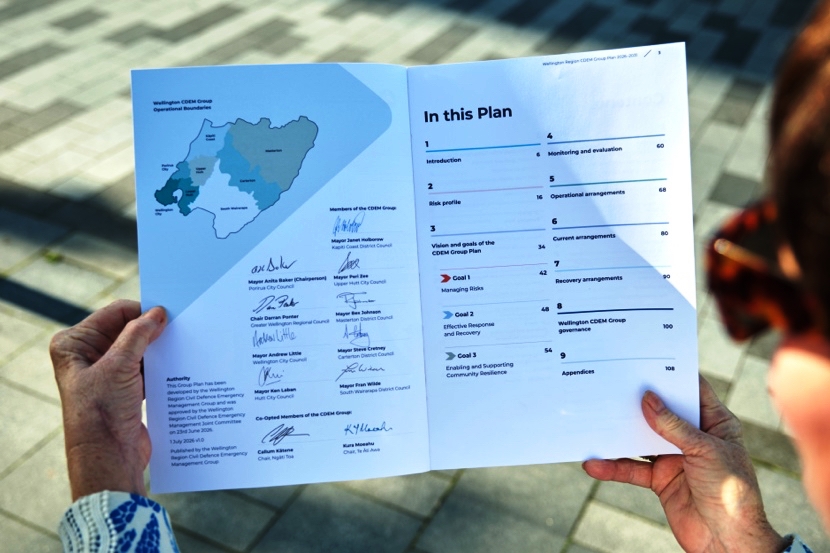
The Wellington Region CDEM Group Plan 2026–2031 is available at wremo.nz